






Resource
The Family: Anabantidae
What are the characteristics of the family Anabantidae?
Quick answer
The defining characteristics of the Anabantidae is the labyrinth organ, strong spiny gill covers, and teeth on the parasphenoid bone.
Photos
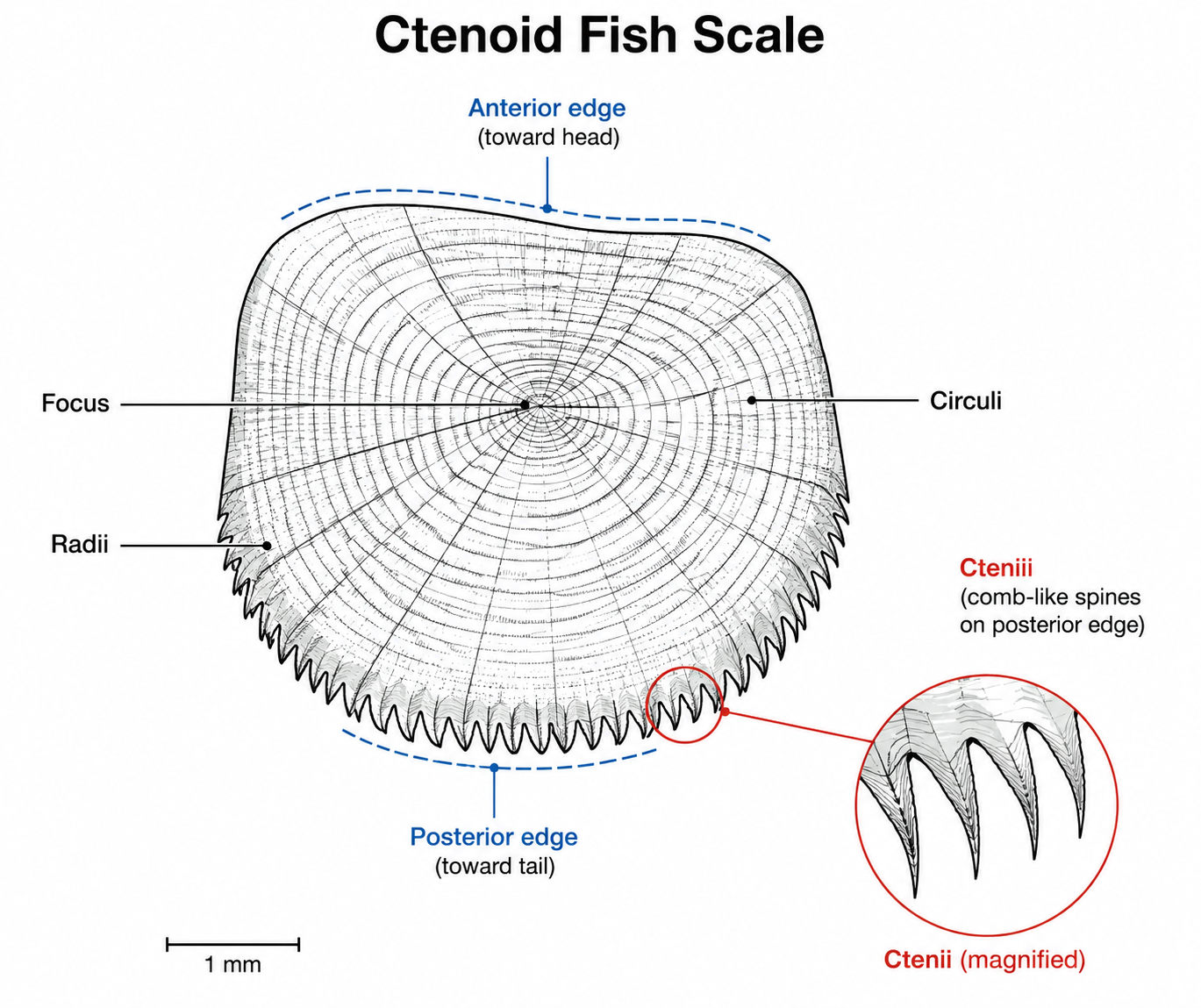
The family Anabantidae also known as the Betas, Gourami’s, and paradise fish is a small family of fishes with only 33 species officially described by science. They are found native to Africa and Asia. The closest known marine relative of the family Anabantidae is the species in the order Carangiformes (jacks, trevallies, and pompano). Members of the Anabantidae family possess a labyrinth organ which acts as a lung allowing Anabantidae species to “breath” air. Their bodies have evolved rough ctenoid scales that allow them to travel on damp ground to find water sources. This combination of adaptions have allowed them to thrive in shallow, stagnant, and low oxygen water bodies such as bogs, swamps, and rice paddies.
In the home aquarium examples of iconic Anabantidae are the pearl gourami, the betta, the honey gourami, the three spot gourami, and finally the paradise fish. The smallest known Anabantidae in the world is Nanosphronemus gemma which reaches a maximum size of 18 mm. The largest member of this family is the Gangetic Koi also known by its scientific name Anabas Cobojius which reaches a maximum length of 11.8 inches. The defining characteristic of this family is the labyrinth organ that allows gourami, betta, and paradise fish to rise to the surface and breath in atmospheric air. The labyrinth organ acts as a lung and veins inside allow for oxygen exchange with its blood stream. The second characteristic of this family is the presence of strong spiny gill covers that flare out when predators try to swallow them making Anabantidae species difficult to swallow for predators such as birds. It also allows members of the family to anchor themselves on the ground when moving over land in search of water. The third and final characteristic of the Anabantidae are teeth on the parasphenoid bone that allows them to grip hard shelled or strong clawed prey inside the oral cavity. The only other characteristic found in most of the Anabantidae is that they are equipped with rough ctenoid scales that grow teeth like projections at the end as they grow. This allow them to gain mechanical strength as they move and helps to protect them from predation by acting like a rough physical barrier against predators and an abrasive surface.