






Resource
Plant-Friendly Tank Setup (Beginner)
A quick guide for setting up a tank that gives fish cover and room to swim.
Quick answer
Use plants and open water together so fish have both cover and space.
Practical steps
- Leave open areas for swimming and feeding.
- Add plants or decor to break up lines of sight and create resting places.
- Make sure the layout still lets you clean the tank easily.
- Check that the plants fit the light and water conditions you actually have.
Photos
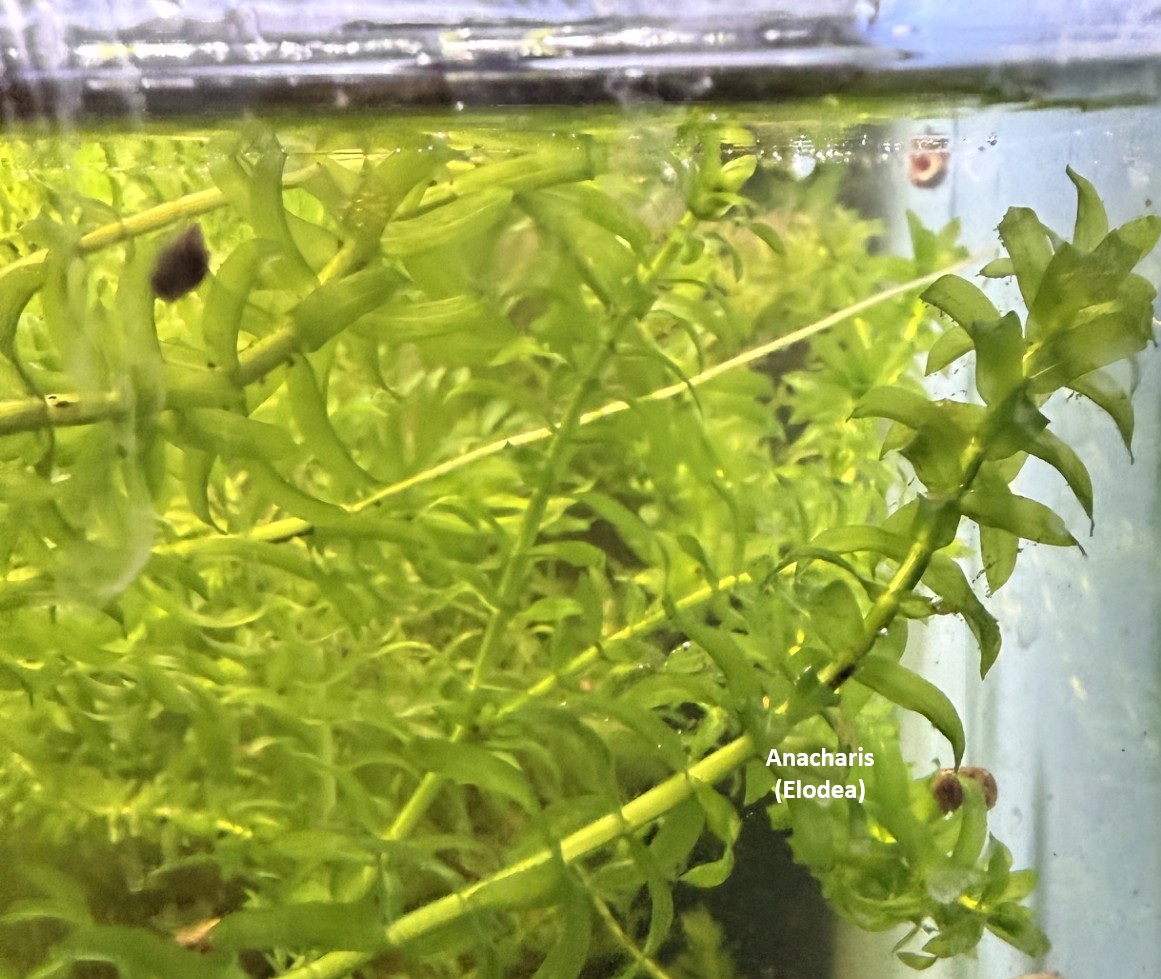
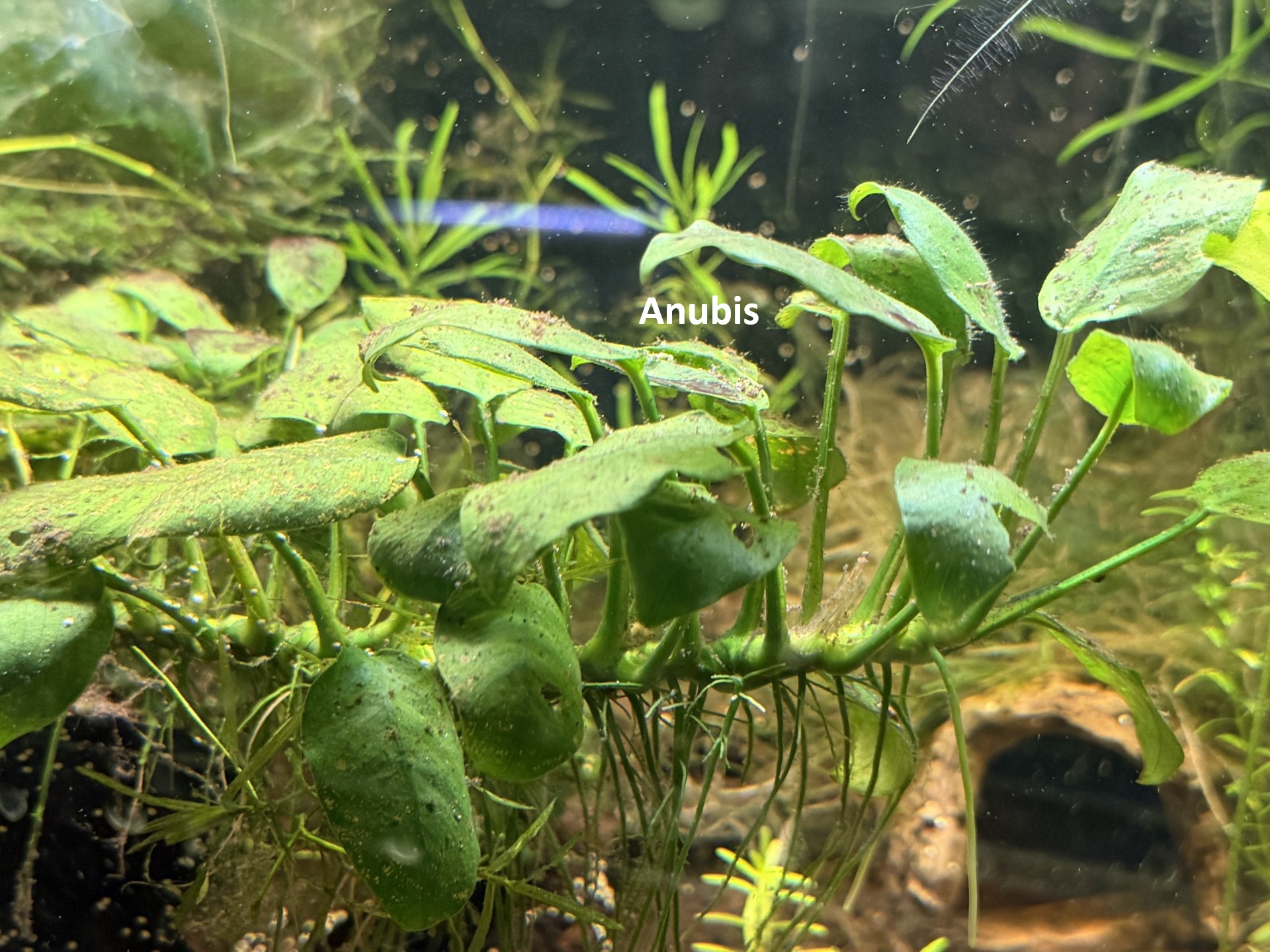
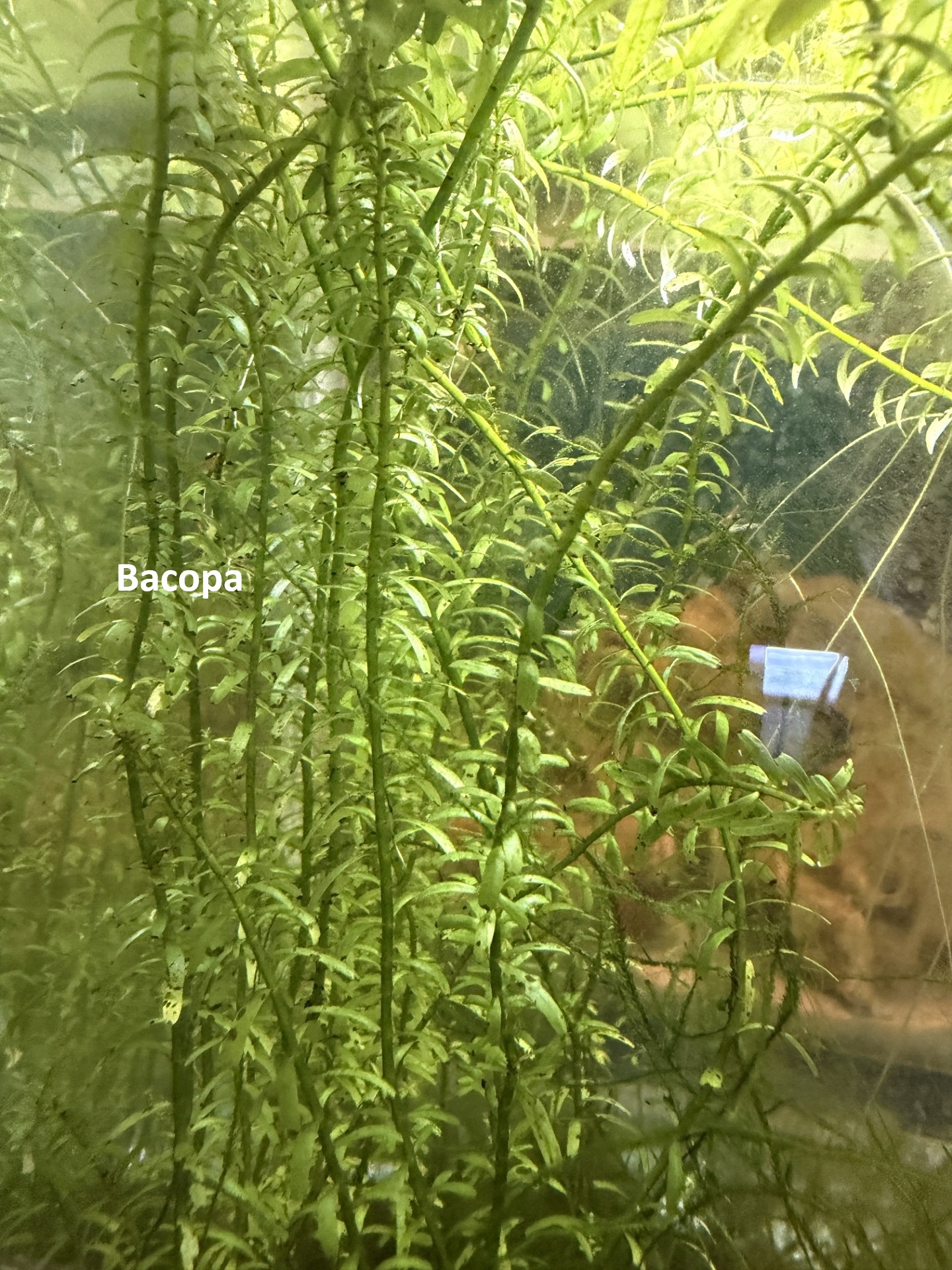
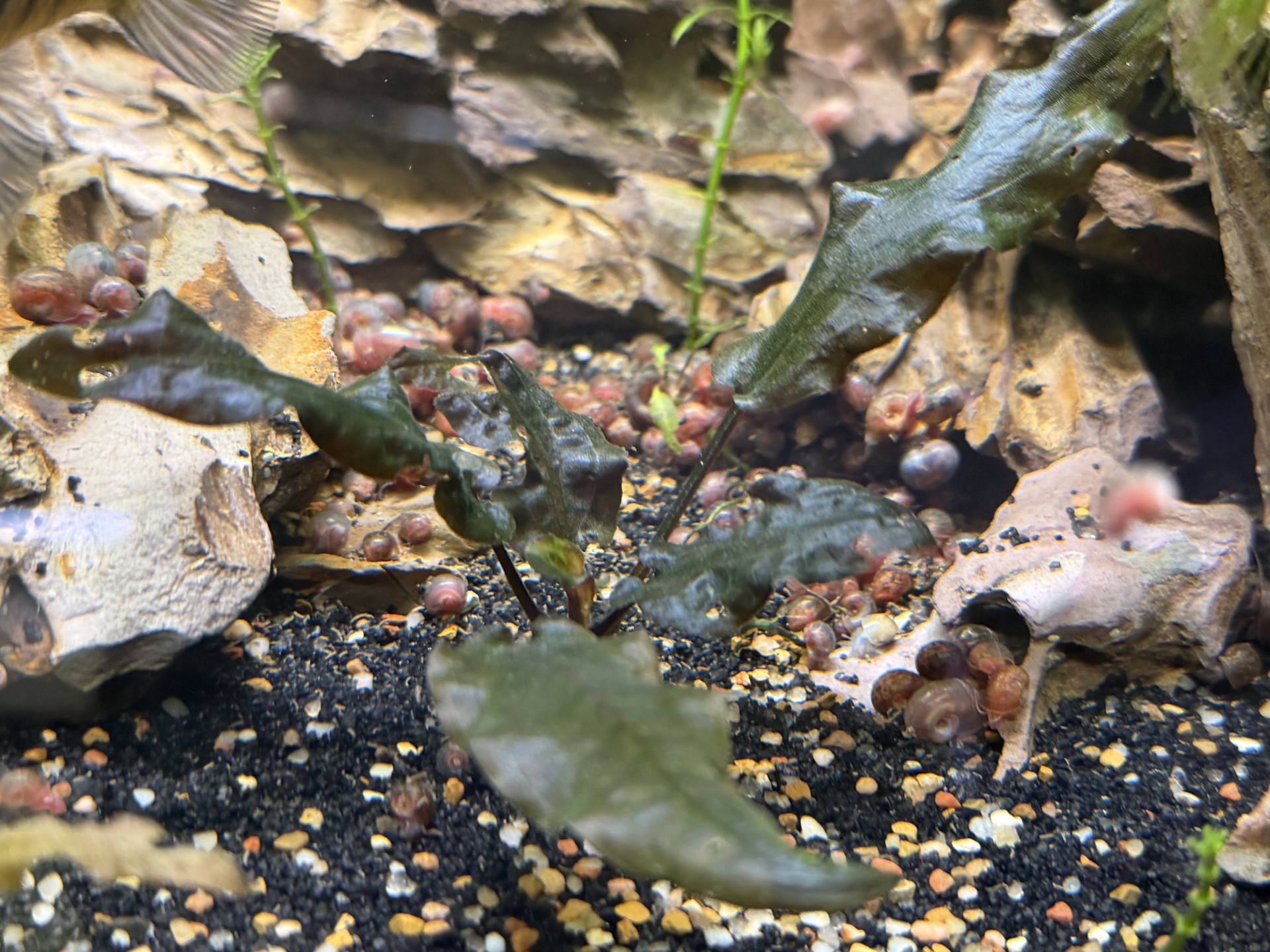
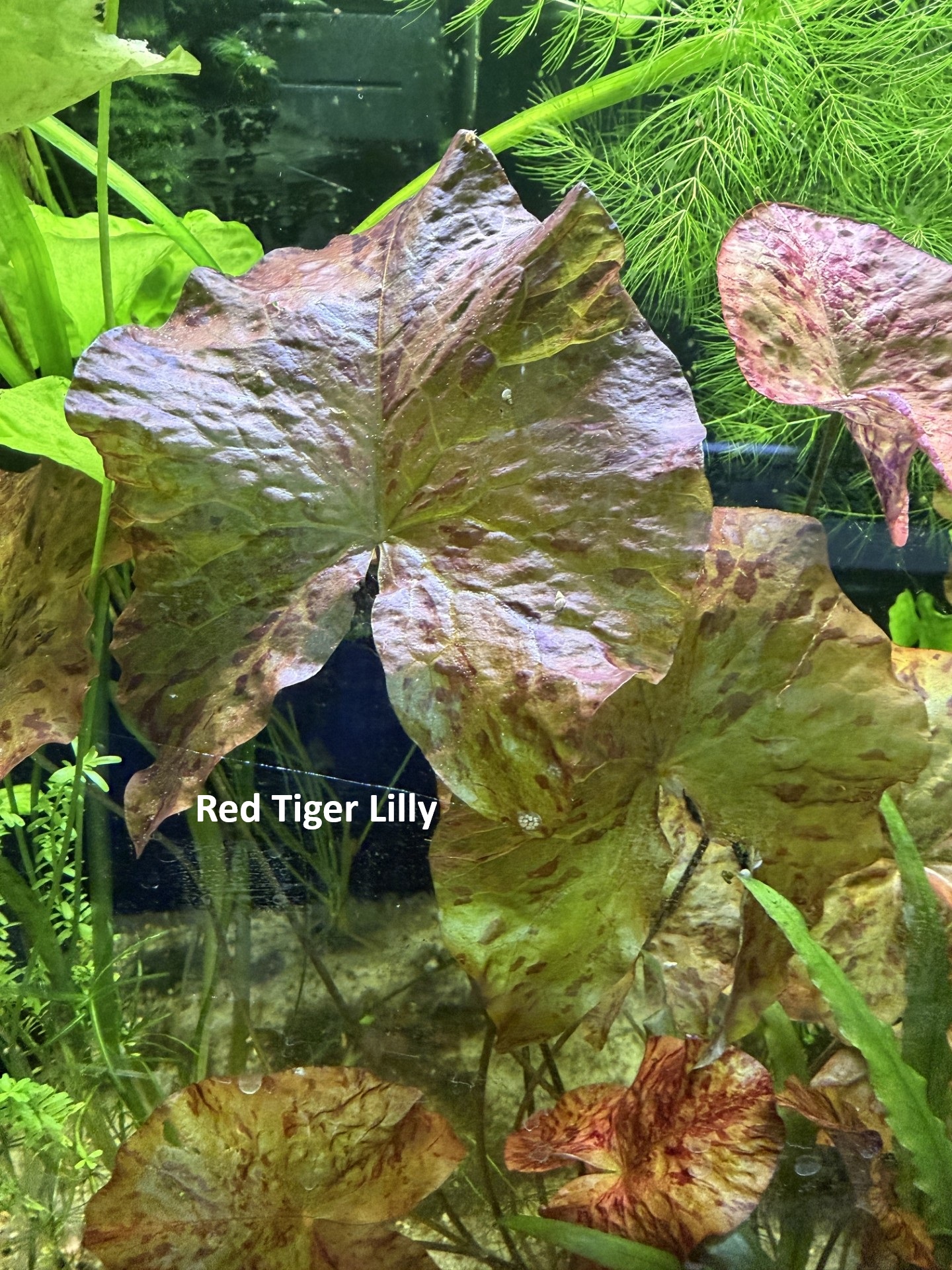
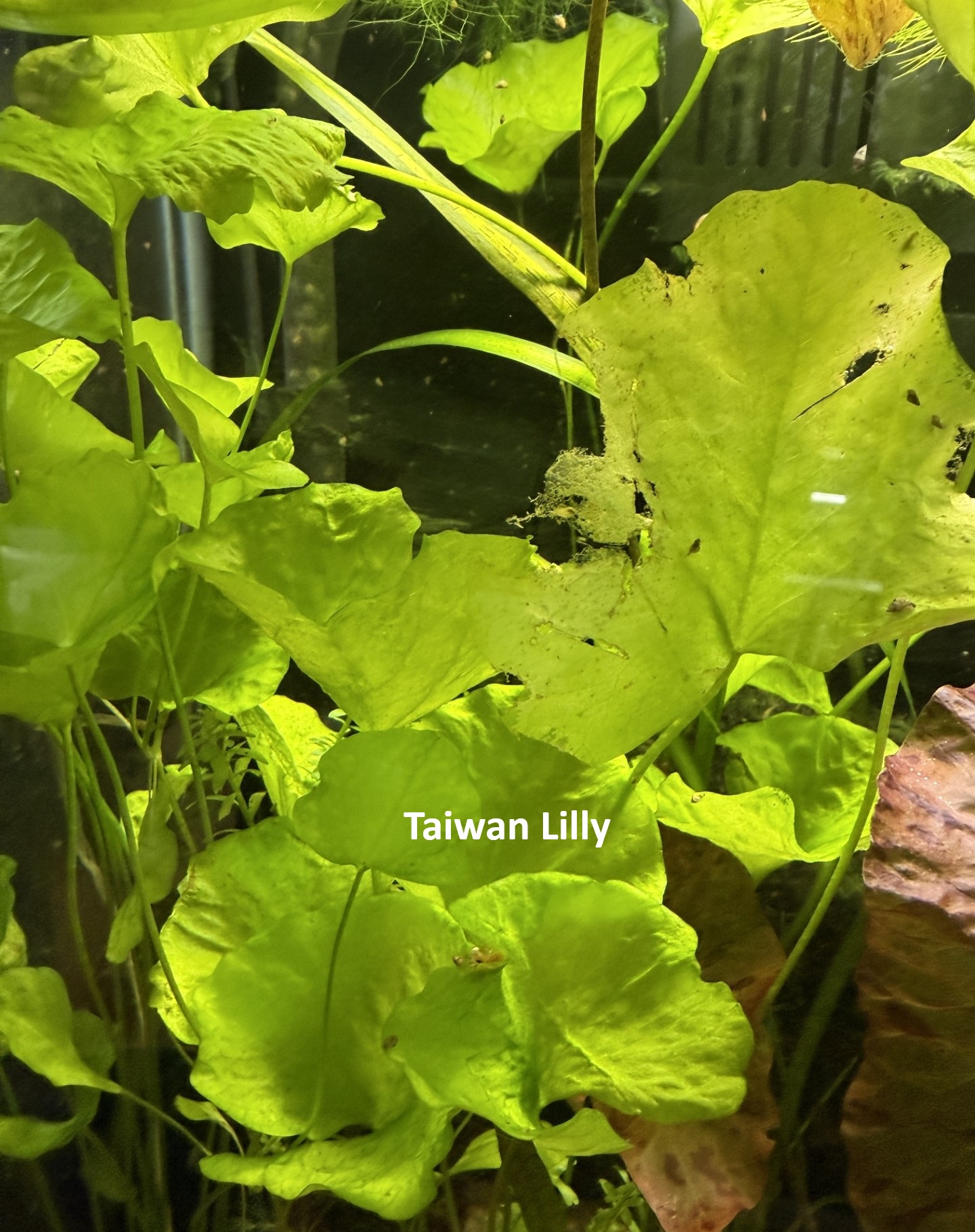
This is a beginning topic on plants, this compilation is what one hobbyist has discovered through the years of keeping plants in the aquarium hobby. It should be used to understand what it is that plants need, why you want plants in your tank, are plants the right way to go in all tanks, generally speaking what types of plant cover are there, and finally if plants are an option for you as you begin your journey in the aquarium hobby.
1.) Why include Plants?
- Plants provide three main benefits. First they help diffuse aggression in fish. They accomplish this by providing line of sight breaks that can allow fish to “escape” when disagreements occur. In addition they provide security and often times protection for fish. An example of this is when fish are born cannibalism is a great risk in certain species, plants provide places to hide and get away from attempted predation by other fish. Plants can be in this case the single best way to ensure that newly hatched/born fry can survive long enough to allow you to become aware of them and take steps to remove them from the general population of aquarium fish that might try to eat them. The second benefit of plants is that they metabolize nitrates converting nitrogen in the water into tissues and thereby locking up (not eliminating) waste in your aquarium. It is important to note that this excess nitrogen can then be eliminated from the tank when the plant is trimmed and the trimmed plant tissue is physically removed from the tank. The third benefit of plants is that it can provide a surface area where egg laying can occur. These surface areas where eggs are deposited become a focal point where parents constantly patrol in order to protect their eggs and brood as they hatch. Some fish even look for specific plant surfaces to lay their eggs and require these surfaces to successfully complete their life cycle. A good example of this is the splash tetra that looks for leaves out side of the water to lay their eggs on and then uses the slope of the leaf to distribute water down the leaf that is continuously splashed on.
2.) Are plants good for all tanks?
- No they really aren’t a one size fits all. Some environments are barren of plants for various reasons. The African cichlids of Lake Malawi and Tanganyika for instance commonly shred and consume plant material as a portion of their diet. In the Lakes where currents inside of the body of water constantly circulate that water the shredded plant material rots and is safely broken down. In an aquarium shredded plant material that is not consumed goes to the bottom of the tank and rots. This can overload filters already stressed with the fish load inside of the tank and the waste those fish produce. Adding decaying plant material can generate life threatening ammonia. For some fish plants really aren’t a good idea.
- Another instance where plants may not be the best idea is with pufferfish and Geophagus earth eater. In the case of the earth eater, the fish routinely scoops up sandy soils and filters it through their gills for pieces of organic matter that it consumes. This can destroy root systems, causing plants to float to the top and ruin carefully scaped tanks. Pufferfish such as the Congo spotted pufferfish can be so inept at catching prey (such as shrimp) that they routinely take chunks out of the plant and miss the shrimp in their entirety. This of course can ruin the look or even kill the plant. In both cases the inclusion of plants must be carefully weighed against the potential damage a dying plant can do in stressing out the filtration.
3.) What do plants need?
- Generally speaking plants need nutrients, water and of course light. The latter, the light, can be the most problematic because excess of light leads to he proliferation of unsightly algal blooms. Many plants are able to absorb nutrients directly from the water it is in while others really do require to be anchored to a place and nutrients are absorbed by the root systems.
- Carbon dioxide is often very helpful to the plant and many hobbyists have found that providing carbon dioxide along with liquid and solid fertilizers results in robust grown, increased nutrient pick up and finally plants that are so happy that they provide oxygen through a process called “pearling.” When a plant “pearls” the hobbyist often sees a steady stream of gas (presumed to be oxygen) being emitted from the leaves of the plants.
4.) Are all plants the same?
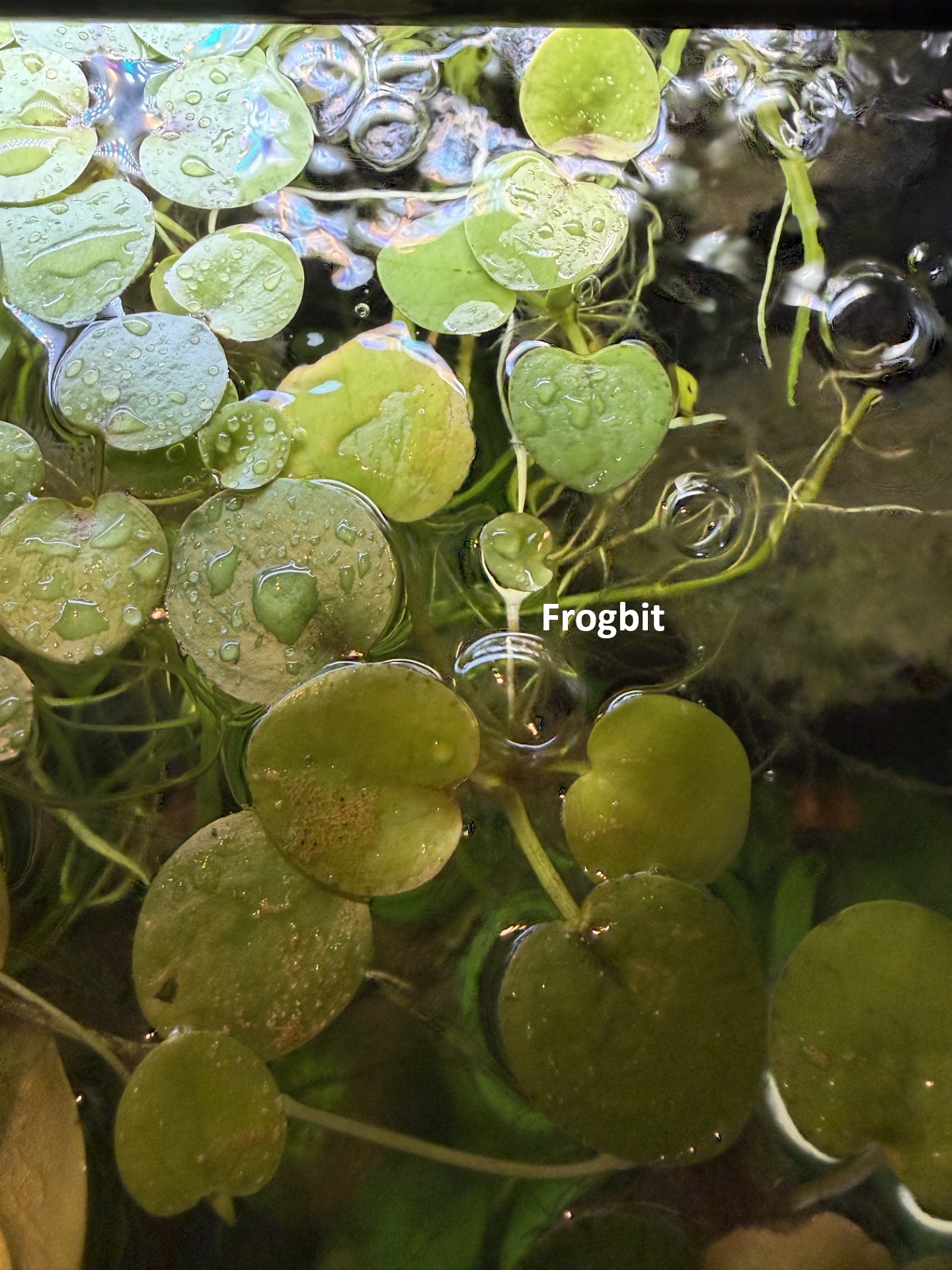
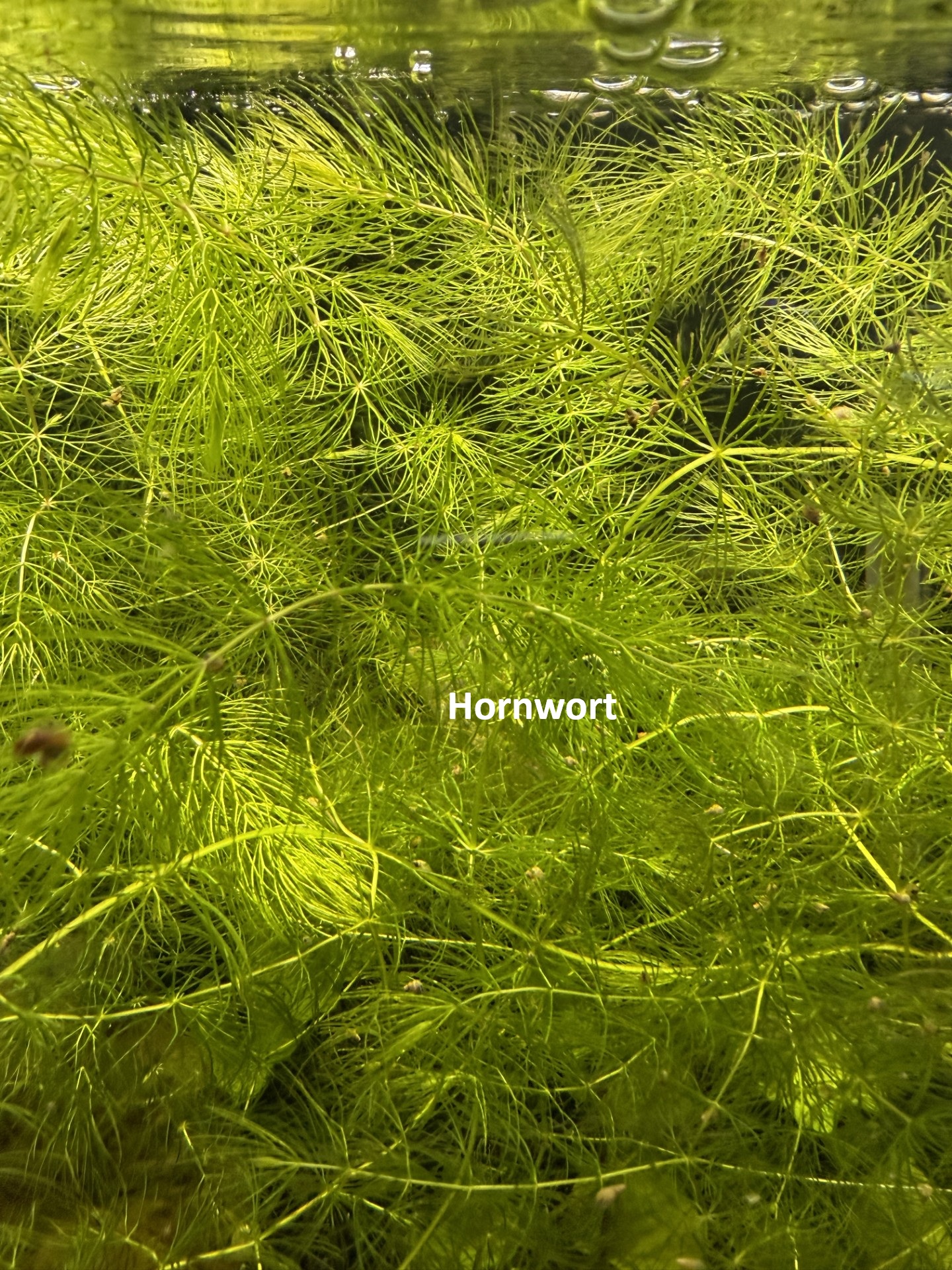
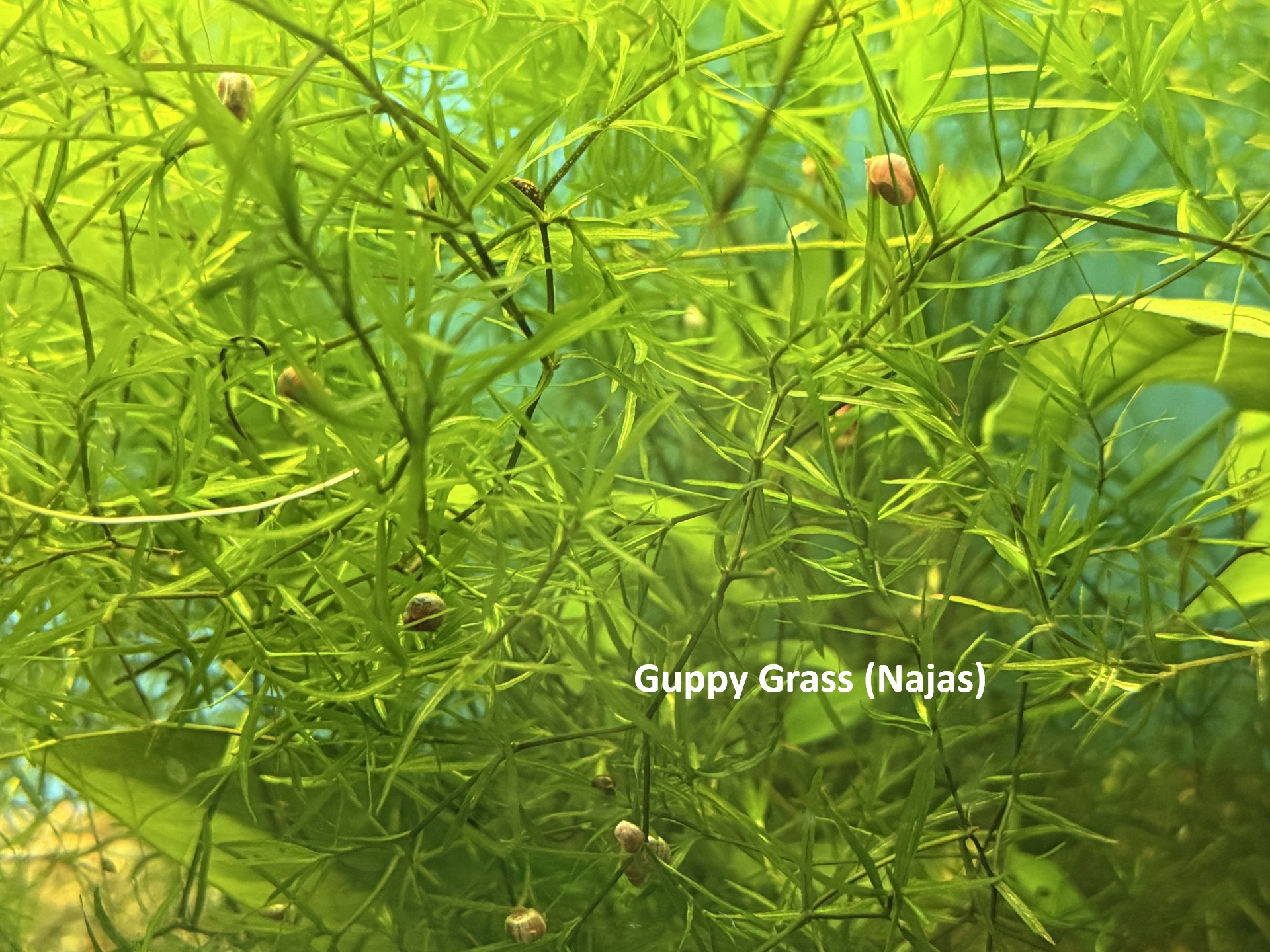
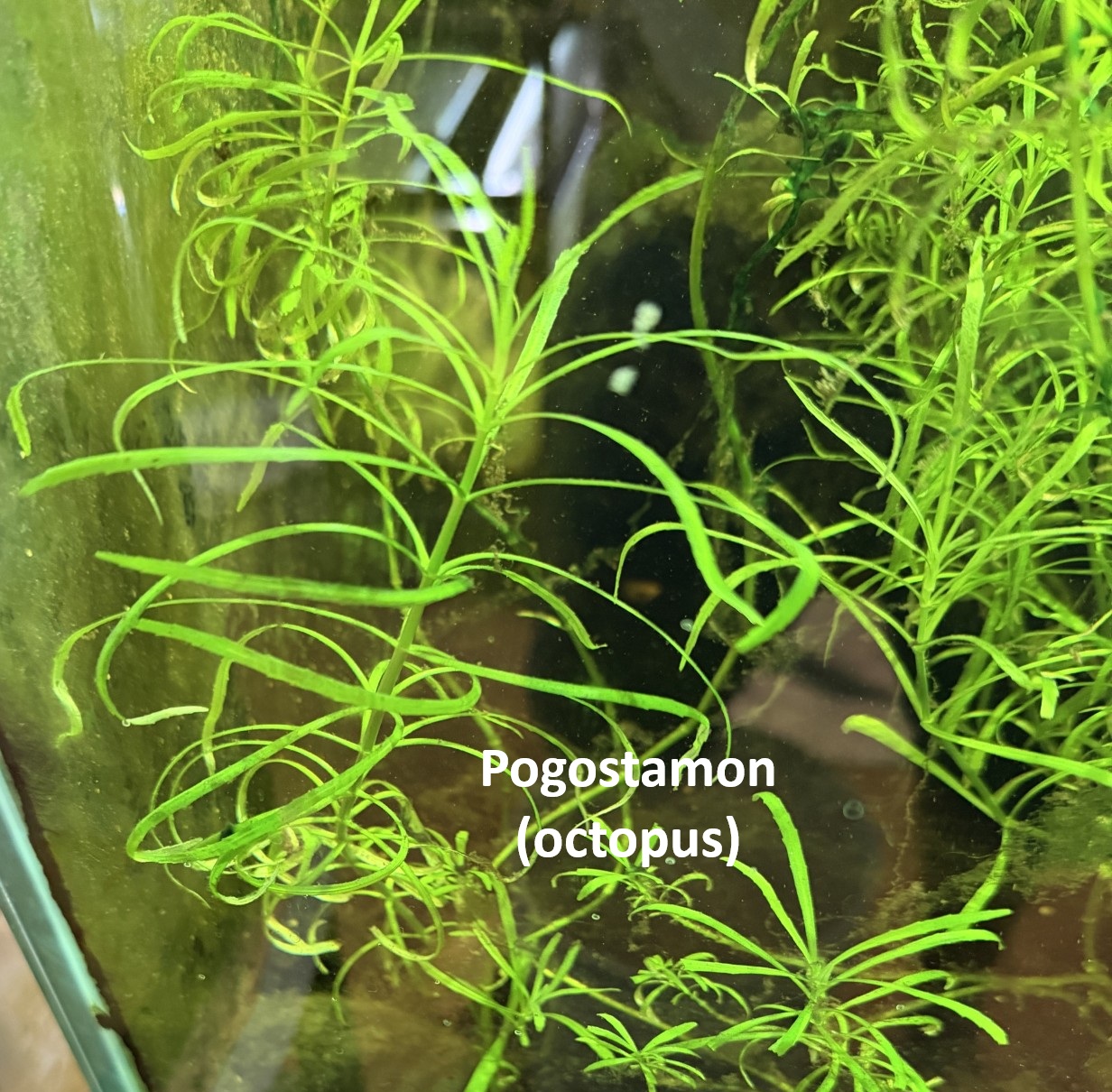
- Plants are not all the same. In general plants come in two forms. The first are plants that commonly float in either the surface or the water column. An example of a floating plant is the infamous and often thought of as a nuisance in duck weed and the very useful salvinia minima, red root floaters, and frogbit. These plants are incredibly useful in a dwarf cichlid and a labyrinth fish tank as they provide surface cover which makes the fish that normally have an instinctual fear of predation by birds from above their head feel reasonably sure that they are secure and will come out and display their colors for mates instead of fearing for their lives. Plants such as hornwort and naja are two examples of plants that are commonly found floating just beneath the surface line. These plants grow incredibly fast and can form a near impenetrable defensive structure to larger fish while at the same time not only providing a means of escape for fry but also the surface area required for aufwuchs and infusoria with surface area to colonize and provide fish fry with live food. Finally the second type, plants like water lilly, cryptocornes, anubis, anacharis, bacopa, ludwigia, and pogostamon provide cover throughout the water column and anchor into the ground absorbing nutrients from rotting debris and ground cover through a system of roots, they can grow quickly and thick and can provide cover, line of sight breaks, additional oxygen, and can lock up nutrients thereby cleaning the water.
5.) What are great plants for beginners to use?
- Red Root floaters, salvinia minima, and frogbit: These are wonderful beginner plants that can rapidly take up excess nutrients and in so doing lock up those nutrients in their tissues. They rapidly reproduce which means you can remove them, thereby eliminating nutrients from the aquarium and you may take those plants and transplant them to other tanks should you decide to purchase more for your collection.
- Bacopa, anacharis, and pogosatmon “octopus”: These are referred to as “stem” plants who can also exhibit rapid growth. The name “stem” plant is purposeful in that these plants can be broken off at the stem and replanted so long as each piece has leaves present. These broken off pieces then become their own independent plant. With these plants one initial purchase can then be distributed in a short period of time to many different tanks. Additionally older plants begin to drop leaves and their stems harden. When this is observed it is generally recommended that they be broken off and immediately replanted so the plant doesn’t have to support barren stems and can start again focusing upon maintaining growth. One downside to these plants is that hair algae and cyanobacteria seems to love growing on their surfaces. This can be an indicator of too much light, too intense of a light source, or too much nutrients being present in the water column.
- Hornwort and najas (guppy grass): These plants can both be planted or they can also be allowed to simply float in the water column. Under floating conditions they will both rapidly grow into tangled messes that lock up nutrients, provide places for infusoria to grow, and allow fry to not only feed upon those infusoria but also to escape predation in species prone to cannibalism. In livebearers especially these plants serve as a very useful way of ensuring that fry survive for long enough to allow the hobbyist to remove them to grow out or nursery tanks. They are also a great way of eliminating excess waste from the aquarium, hobbyist can do this by trimming them back and eliminating the trimmings. Do not create trash with this, place the cuttings into gardens, around trees, and the decomposing of this vegetable material will provide great fertilizer for those plants.
- Red Tiger Lotus and Taiwan Lotus: These plants are an exceedingly good choices for those who require deep tanks and have fish with long bodies, are ambush predators, and want a more “wild” or natural look. Along with the plants listed here each lotus provides a very useful service in locking up nutrients into its tissues, this one can be very slow growing under certain conditions and has the drawback of snuffing out the light to the plants beneath it so some care must be used to carefully cut this one back. Additionally both lotus species will begin to form daughter plants that can be cut off from the main plant, replanted into the substrate, sold, or distributed to new tanks.
- Java moss or Christmas moss: Both types of moss are sheer units in absorbing nutrients, providing surface area for infusoria to grow and cover for fry. Additionally this plant can be glued upon structures and pieces of wood and from this anchoring point it will grow out eventually fully covering the entirety of the surface area in a bright green mats of moss. This moss can be trimmed like other plants, taken out and used as a fertilizer, or glued onto other objects where it will begin to grow on the new surface it is superglued to.
- Anubis and cryptocoryne : These are rhizome plants whom can be anchored to objects such as the java moss but unlike the java moss it will not cover the entirety of the surface area that the mosses commonly do. Some varieties of anubis stay small and others like the cryptocoryne can grow to enormous sizes. Anubis is one plant that does actually produces a flower but the flower is to my knowledge largely unable to complete its life cycle in the aquarium environment. In the case of both Anubis and cryptocoryne plants the rhizome can be cut as it grows and the pieces then glued to other objects in order to propagate the plants as the aquarist requires.
One final thing about each of the plants. Even if you have determined to not expand the number of fish tanks in your home, please remember that many fellow hobbyists will eagerly pay you for your plants. Plants are commonly wanted and desired and can be bought and sold at fish club auctions as people enter the hobby and expand the number of tanks that they run. Its a great idea to bring the plants that you own to auctions and allow the growing of plants to either build out your fish room or help pay for your hobby!