






Resource
The Family: Cichlidae
What are the key characteristics of the family Cichlidae.
Quick answer
A cichlid refers to a group of fish with specific defining characteristics.
Photos
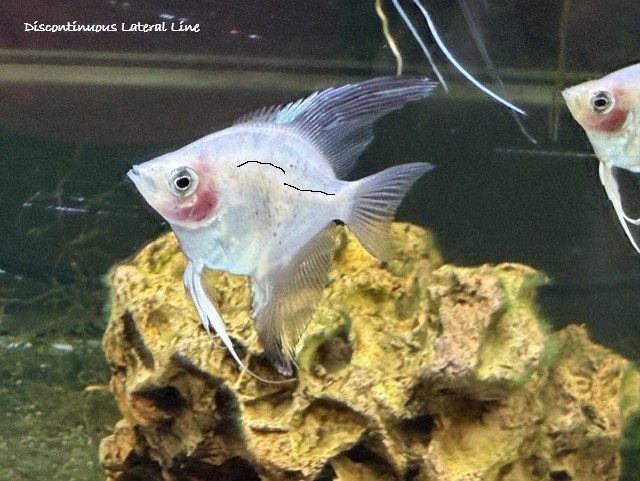
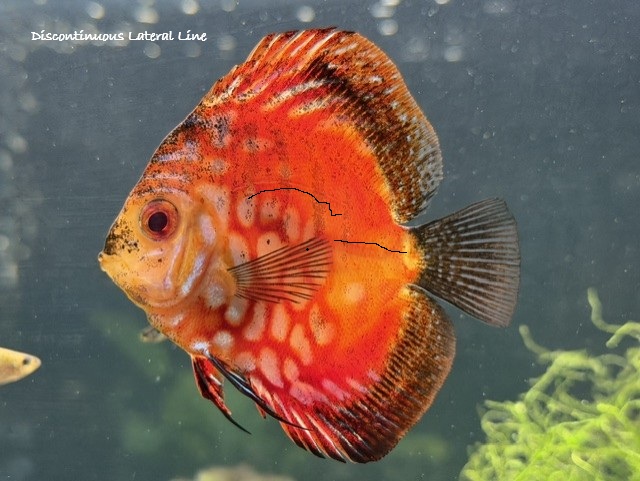
The family cichlidae consists of more than 1,760 scientifically described species of fishes found in both North and South America, Africa and Asia. They are the third most numerous family of fishes found on earth behind only the Cyprinidae and the Gobiidae. Recent scientific evidence through genetic studies indicate that the closest marine relative to the cichlidae is the convict blenny (Pholidichthys leucotaenia). The family is characterized by having a single nostril on each side of the head (as opposed to two in other fishes), a pharyngial jaw (a second set of jaws in the throat), complex parental care, a discontinuous lateral line, high intelligence, and a high degree of variance in both body plan and size.
In the home aquarium examples of iconic cichlids are angelfish, the shell dwellers, discus, the convict cichlid, the kribensis, and apistogramma species. The smallest known cichlid in the world is commonly found in the hobby, it is neolamprologus multifasciatus. Members of this species can be a s small as .75 inches for females that are full grown to 2 inches maximum for a full grown male. The largest member of this species is also rarely found in monster fish tanks it is Boulengerochrmois microlepis which is also known as the Emperor cichlid. Emperor cichlid males can get as large as three feet while females commonly grow to 30 inches. Though they are the largest by length, the largest by mass is arguably the speckled peacock bass (Cichla temensis) which can get up to 3 feet but more importantly can achieve weights exceeding 25 pounds (12 kg).